Head Quarters
Mbamba Bay Katumbi Street, Plot No. 24
P.O.Box 90 Nyasa, Ruvuma, Tanzania
******************************************
Songwe Sub-Office:
Tunduma, P.O. Box 159, Momba – Tanzania

Southern Highlands Community Health (SOHICOHE) is a registered national non-governmental organization in Tanzania committed to improving community health through prevention, One Health, environmental health, education, disease surveillance, and community empowerment.
SOHICOHE was established to respond to public health challenges affecting underserved, rural, and border communities, where access to preventive health services, health education, early disease detection, and environmental health interventions remains limited.
Our work is guided by the One Health approach, which recognizes the connection between human health, animal health, and the environment. Through this approach, we support community-based solutions that prevent diseases, improve surveillance, strengthen outbreak preparedness, and promote healthier living environments.
We collaborate with government authorities, schools, youth, community health workers, local leaders, institutions, and development partners to design and implement practical interventions that respond to community needs.
Through digital tools, public health education, environmental action, and multisectoral collaboration, SOHICOHE aims to build healthier, informed, and resilient communities across Tanzania.

Donations are the lifeblood of SOHICOHE's mission to combat diseases. With your support, we can sustain and expand our critical programs
Donations enable SOHICOHE to extend its reach to these vulnerable populations. Your contributions can fund outreach efforts, mobile vaccination clinics, and education campaigns, ensuring that even the most isolated communities receive essential protection and information.
Research is at the forefront of understanding, preventing, and mitigating disease outbreaks. Donations empower SOHICOHE to invest in research and innovation.

Epidemiologist & One Health Digital Surveillance Specialist

Data, Research & Program Quality Officer

Programs & Community Engagement Officer
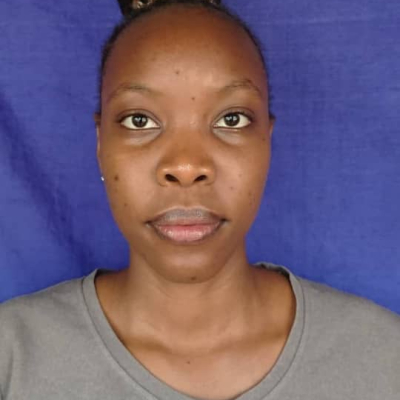
Public Health Nutritionist

Molecular Biologist & Diagnostic Laboratory Specialist
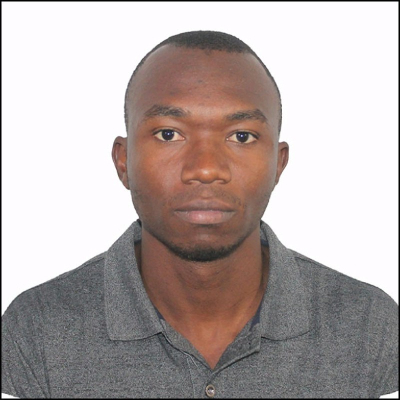
Environmental Health & Digital Health Specialist
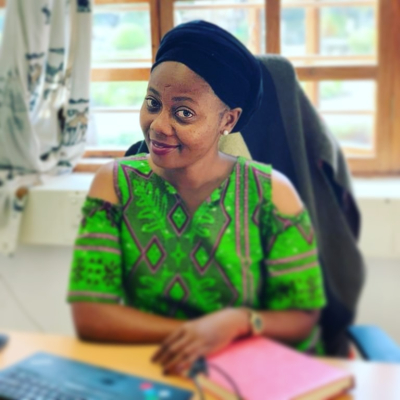
Agribusiness, Food Security & Sustainable Livelihoods Specialist
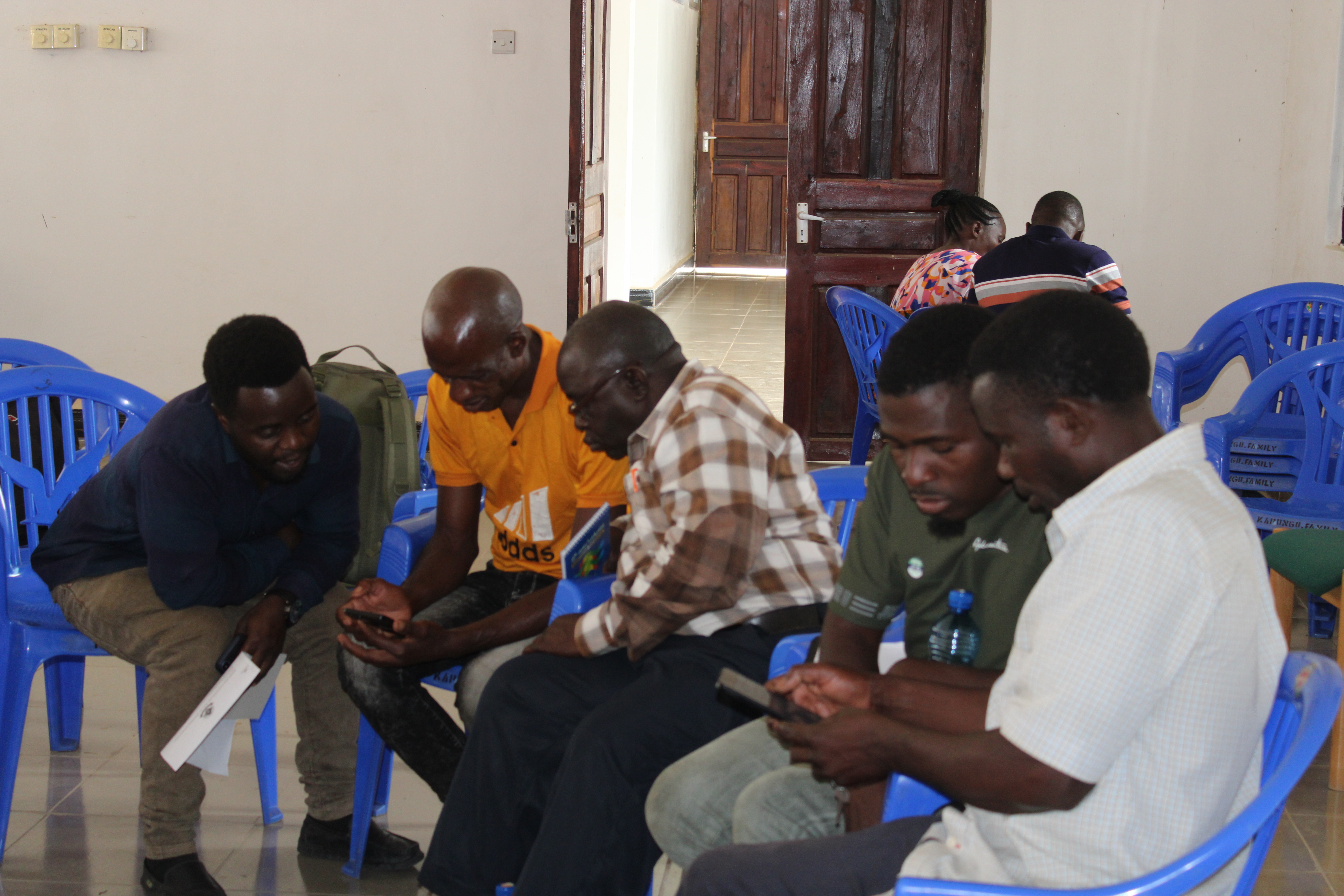
SOHICOHE Field Volunteer
SOHICOHE creates meaningful opportunities for communities and volunteers to work together in improving health. Through prevention, health education, environmental action, and One Health engagement, the organization supports practical solutions for healthier and more resilient communities.
A five-year analysis of DHIS2 data highlights the burden of occupational HIV exposure among healthcare workers in Tanzania and identifies gaps in HIV post-exposure prophylaxis (PEP) completion.
Utafiti mpya kutoka Mbarara University of Science and Technology nchini Uganda umetumia modeli ya kihisabati kuchunguza maambukizi ya pamoja ya kifua kikuu (TB) na Hepatitis C (HCV), na kubaini kuwa uhamasishaji, utambuzi wa mapema na matibabu vinaweza kupunguza kwa kiasi kikubwa mzigo wa maambukizi haya.
Utafiti mpya uliofanyika Exmoor, kusini-magharibi mwa Uingereza, umeonesha kiwango kikubwa cha wanyamapori aina ya kulungu kuathiriwa na Mycobacterium bovis, na kusisitiza umuhimu wa ufuatiliaji wa magonjwa kwa kuzingatia mtazamo wa Afya Moja (One Health).
Scabies kwa watoto wachanga inaweza kufanana sana na eczema na kusababisha kuchelewa kwa utambuzi. Wazazi na wahudumu wa afya wanashauriwa kuzingatia scabies hasa pale mtoto anapokuwa na muwasho mkali na matibabu ya eczema kutosaidia.
SOHICOHE highlights the 2026 hantavirus outbreak linked to the MV Hondius cruise ship as a warning that rare zoonotic diseases can travel across borders, expose preparedness gaps, and require stronger One Health surveillance from the community level to international response.
Utafiti mpya unaonesha kuwa Marburg virus disease inaweza kuendelea kuwepo mwilini baada ya kupona, hasa katika mfumo wa uzazi wa mwanaume, na huenda ikaathiri uwezo wa uzazi pamoja na kuhitaji ufuatiliaji wa muda mrefu.